
Methods
The end-to-end agent harness that teaches AI to translate experimental data to human drug outcomes.
Methods
We experimentally measure the full life cycle of a drug, linking exposure and metabolism to cellular biology and human outcomes.
Methods
LabOS orchestrates the lab across experiment protocols, quality control, data ingestion, and data validation.
Data Readiness
Keeping track of all compounds

Ingestion Pipeline
Data across different assays

Model Evaluation
Grading model performance

Model Leaderboard
Tracking model performance

Image Segmentation
Mask & Quality Control

Methods
Measuring across multiple modalities, including imaging, transcriptomics, proteomics, and mass spectrometry.


Methods
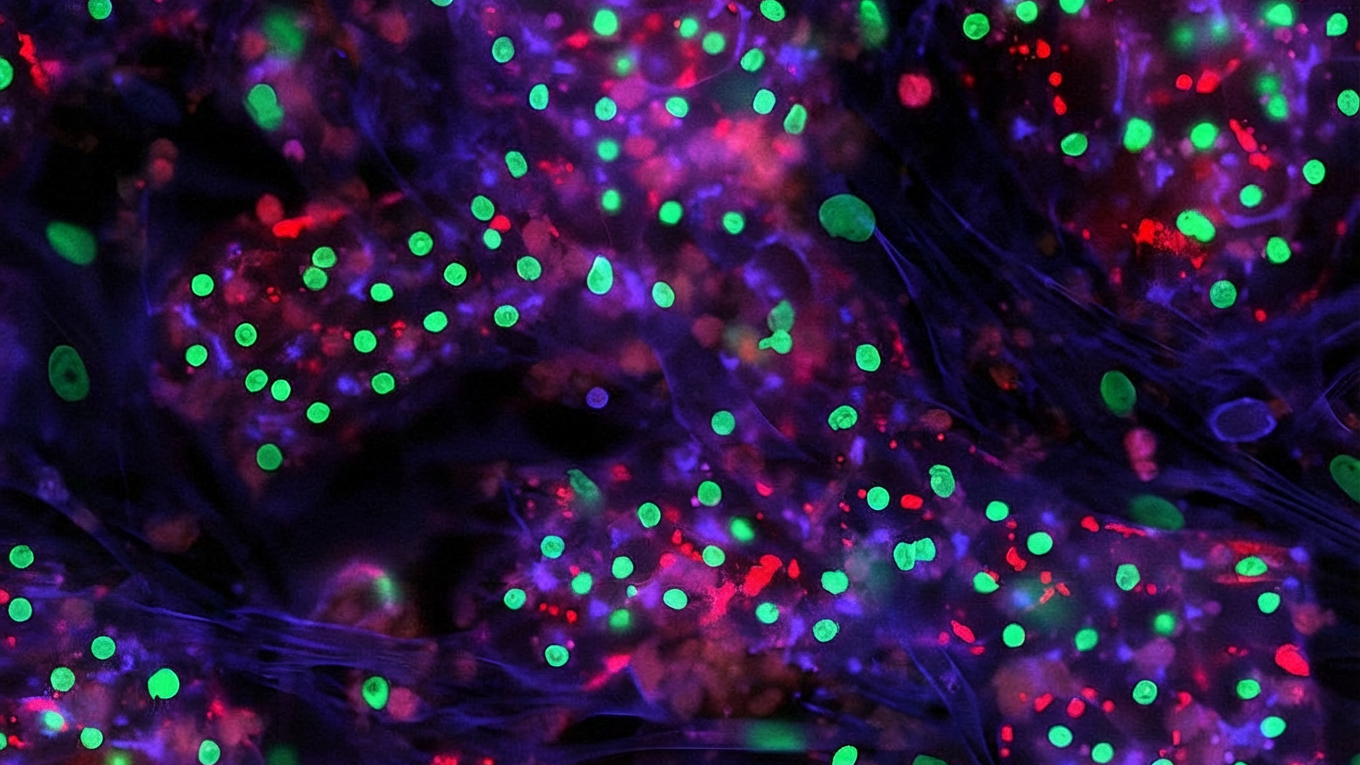
We extract early, subtle biological signals from our experimental data to predict human outcomes.

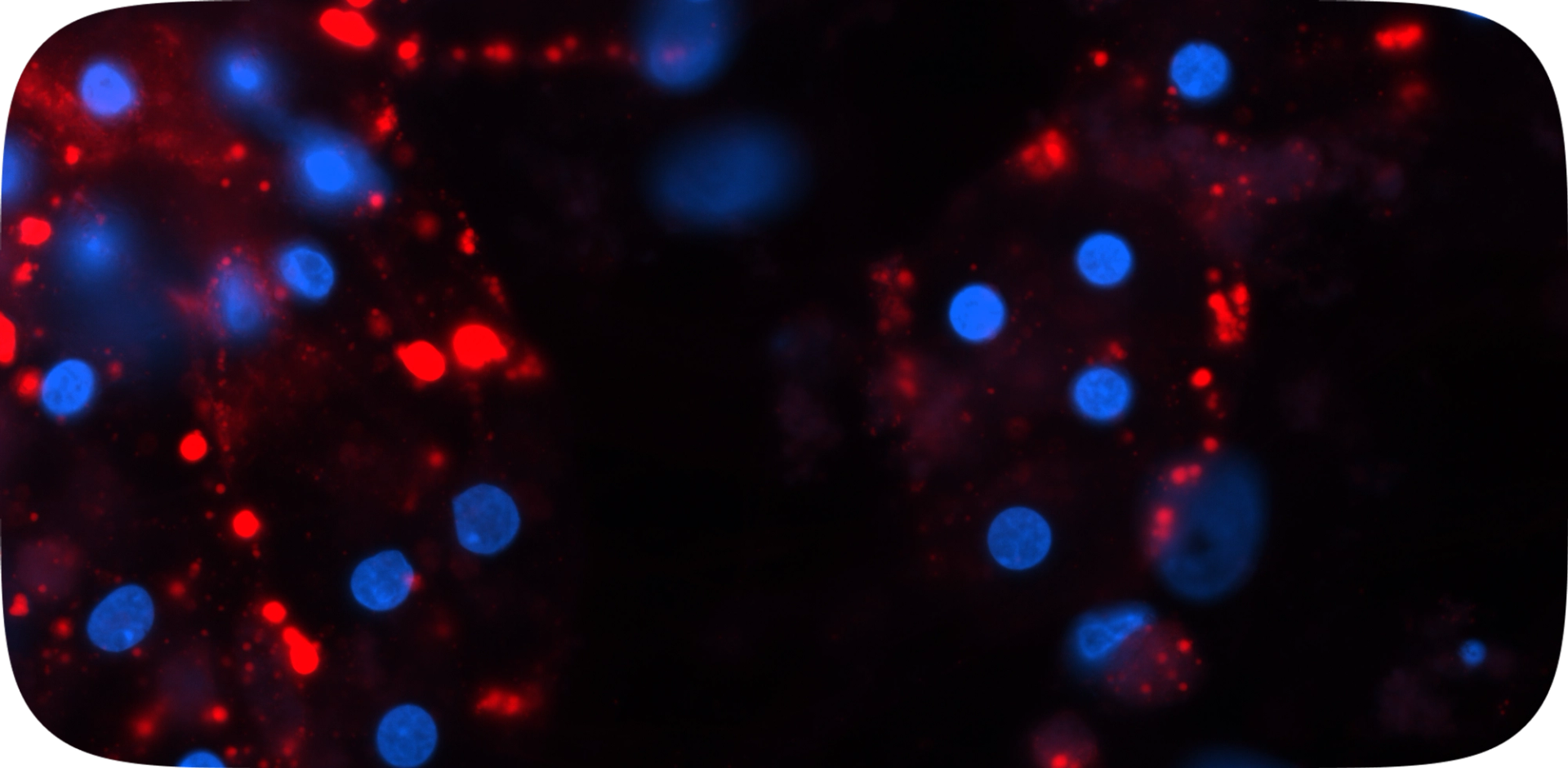
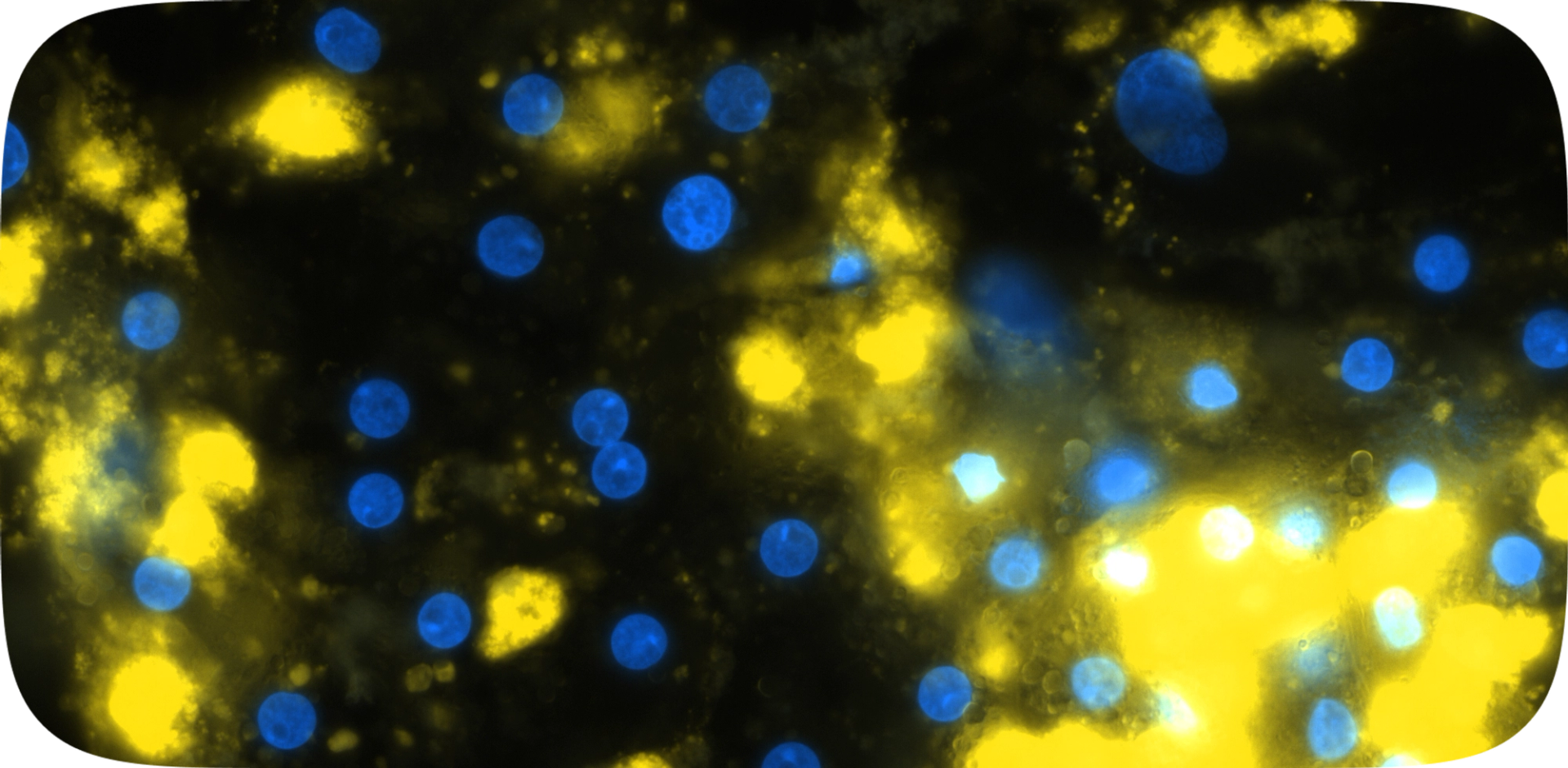
Steatosis
Lipid Droplet Accumulation


Hoechst (Nuclei) LipTOX (Neutral Lipids)
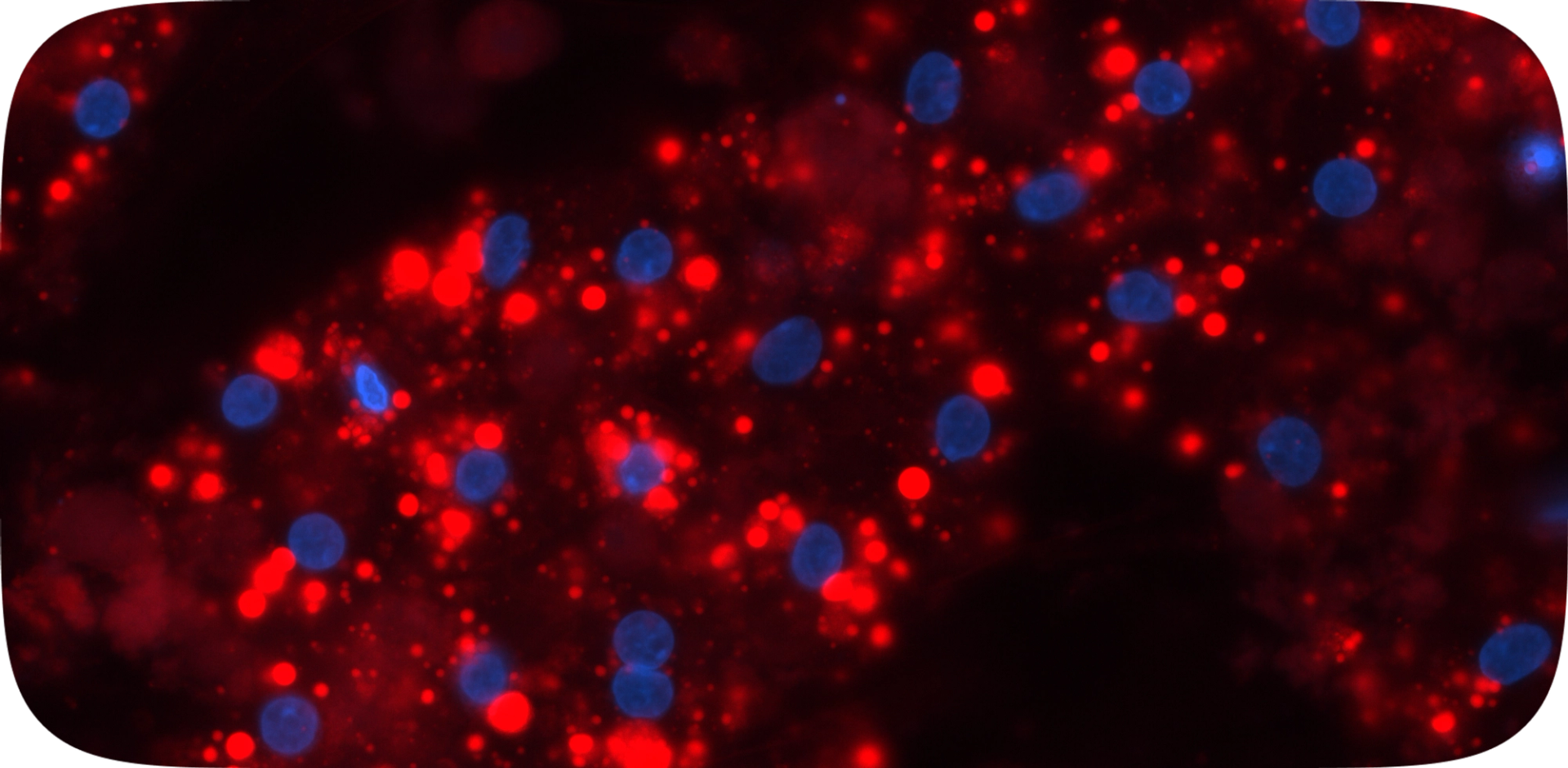
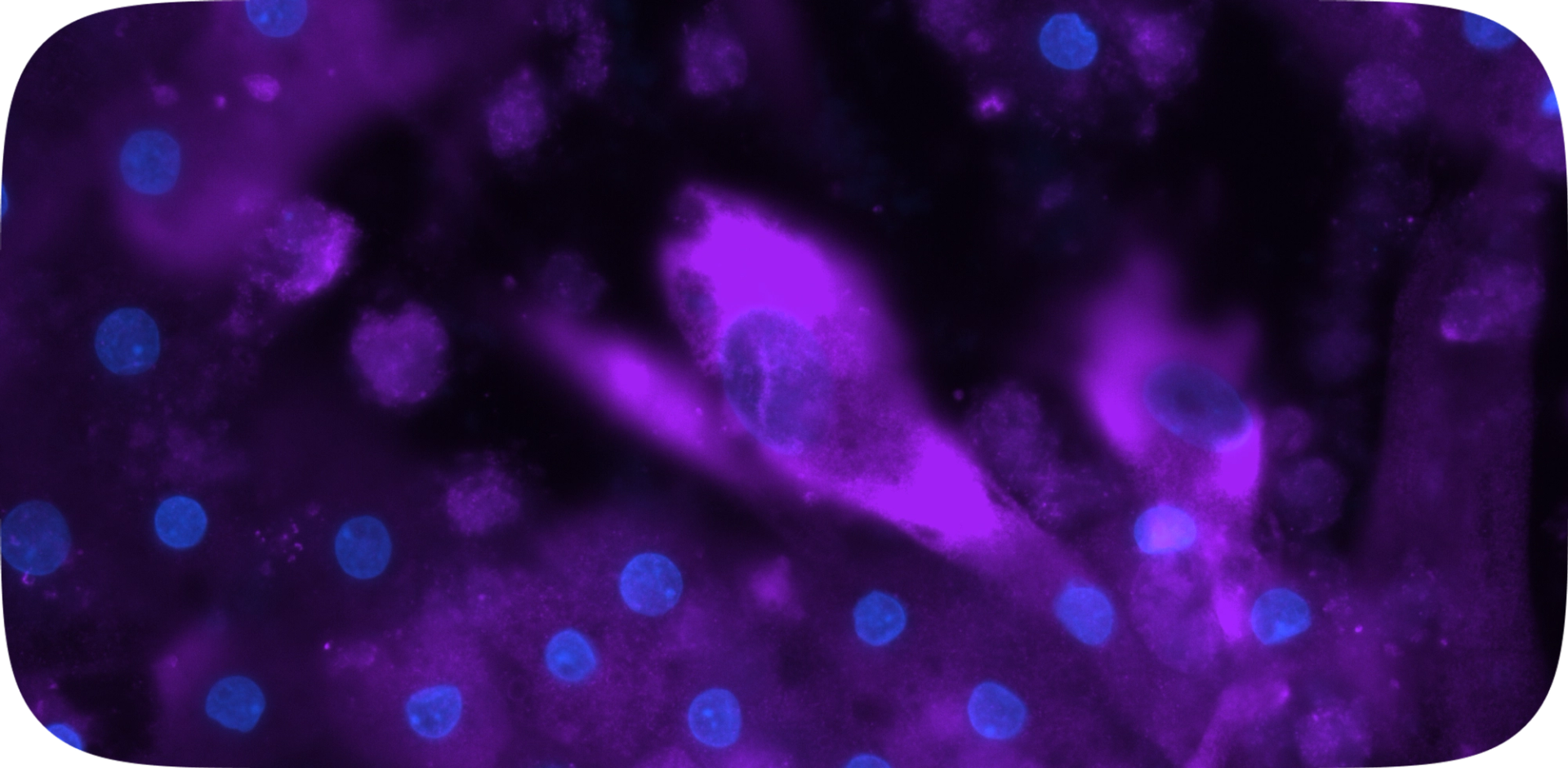
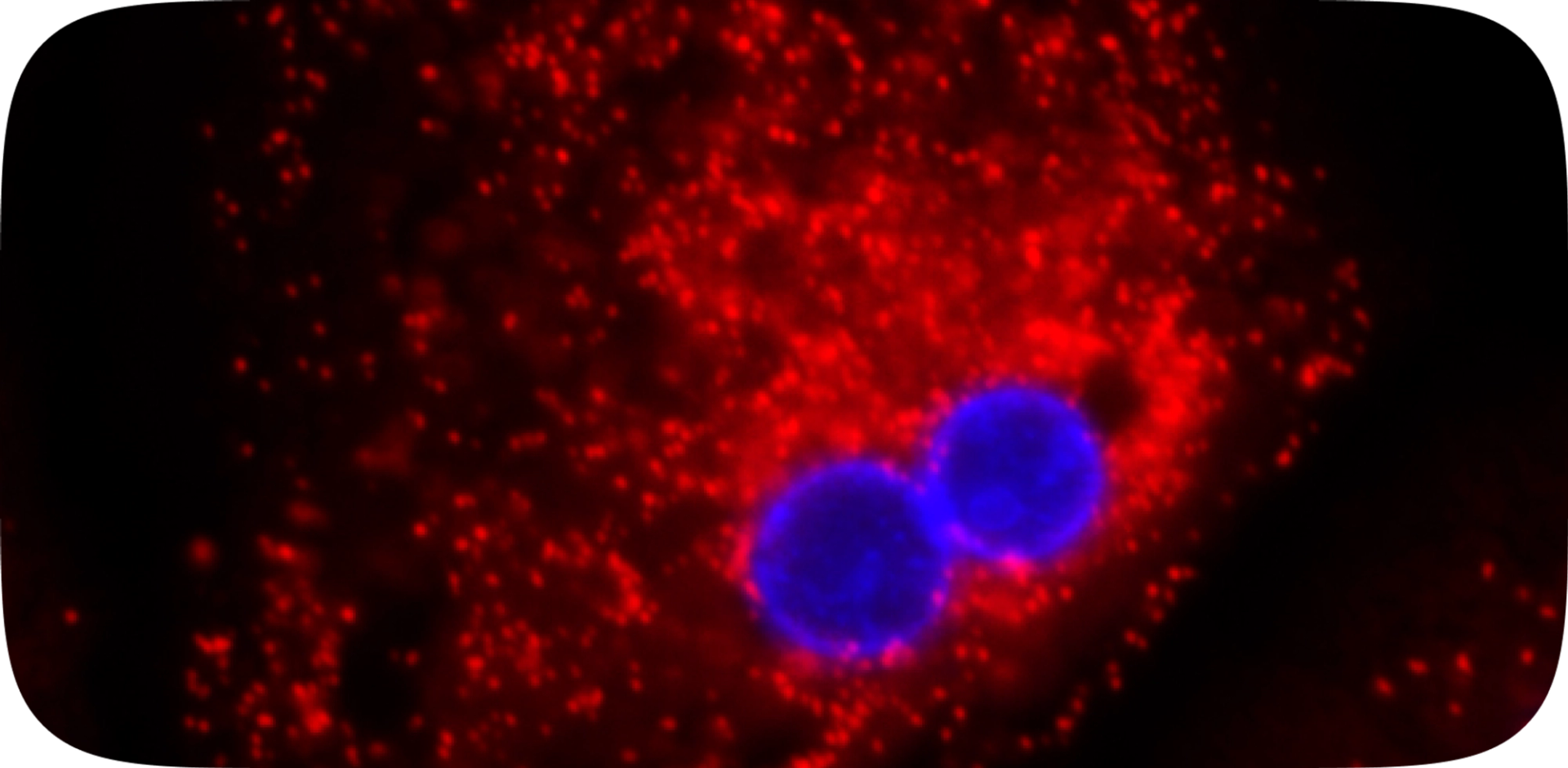
ER Stress
BIP/GRP78 Expression


Hoechst (Nuclei) BIP/GRP78 (ER Stress)
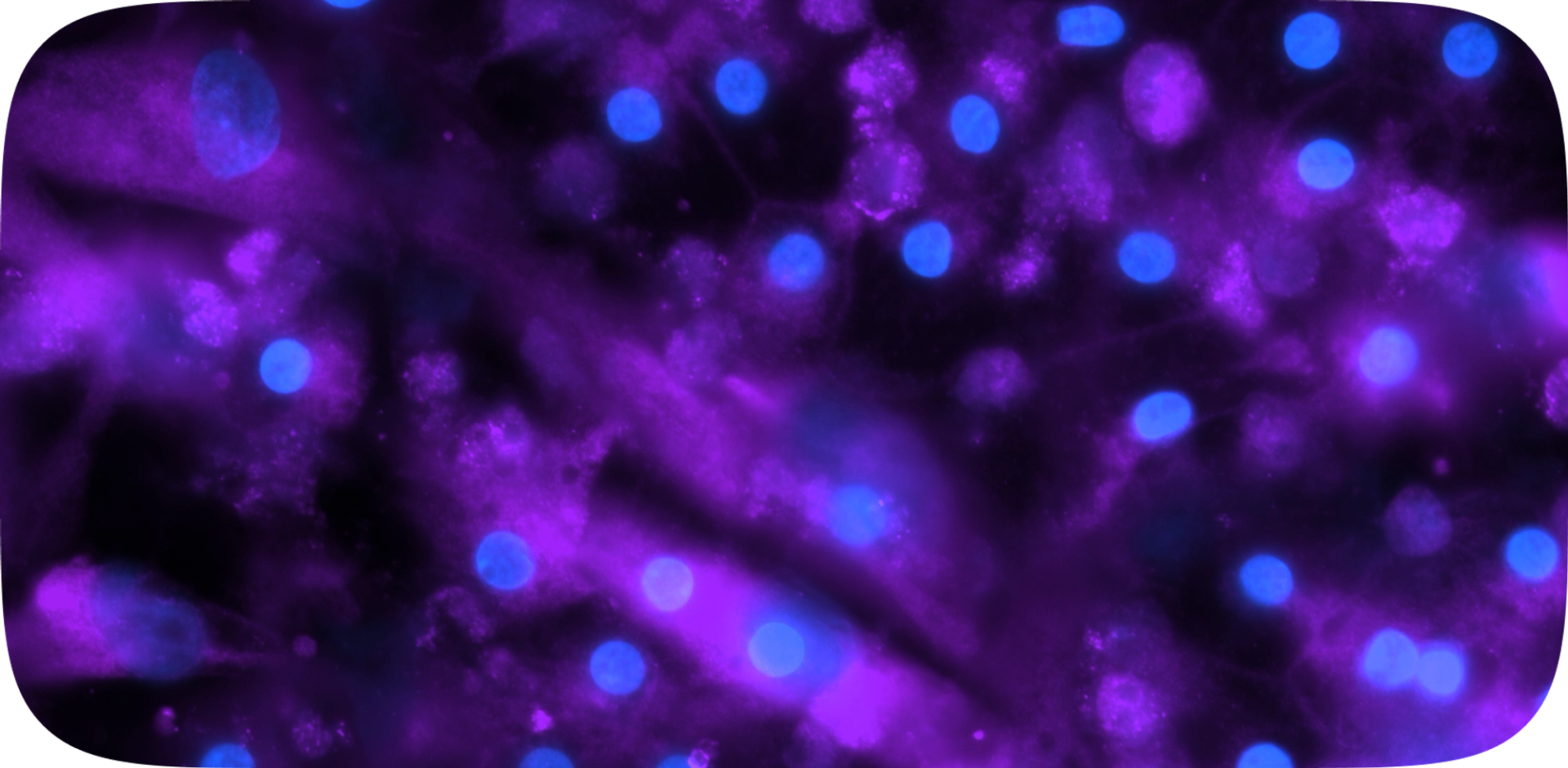
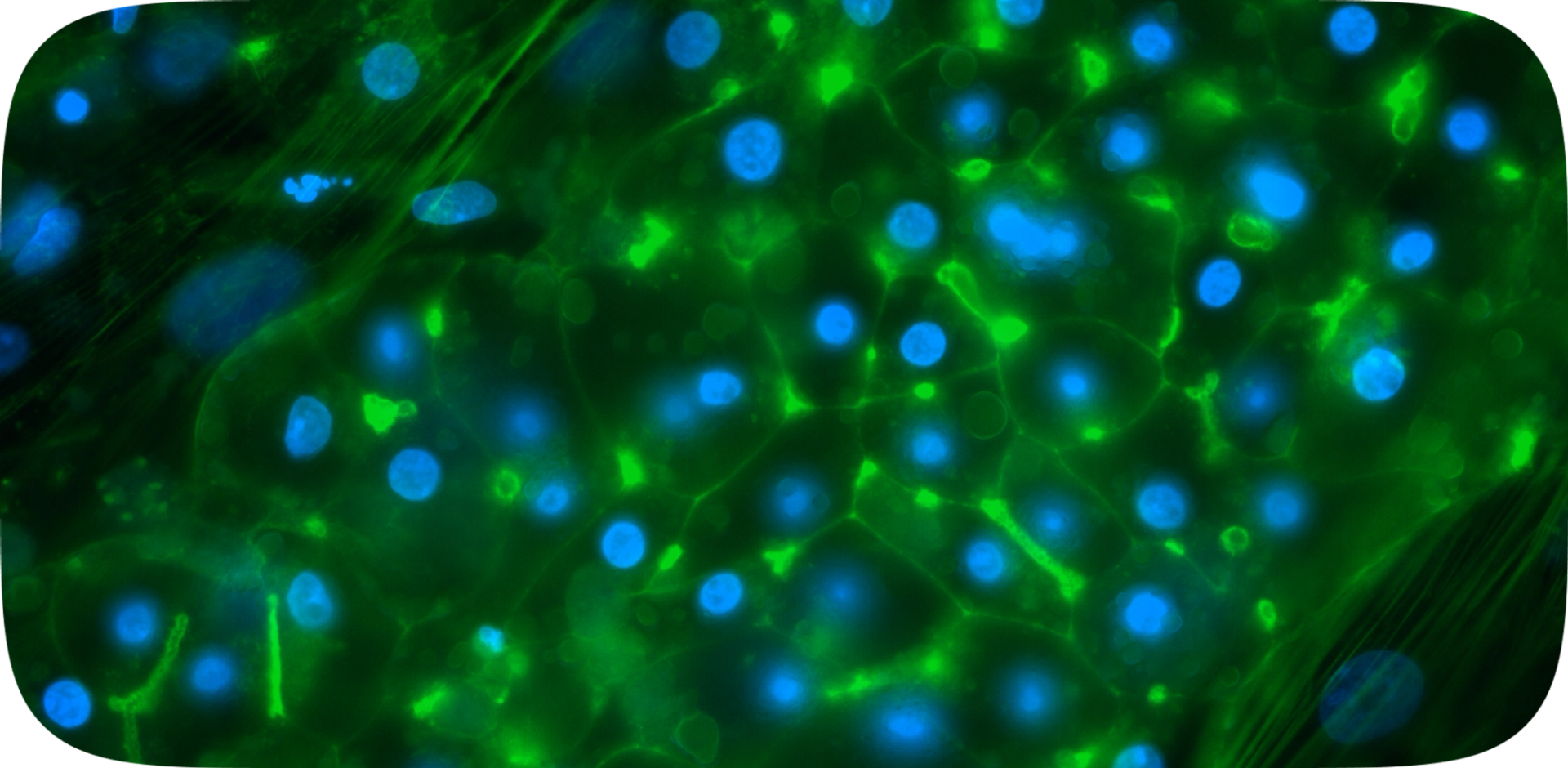
Cholestasis
Bile Canaliculi Loss


Hoechst (Nuclei) Phalloidin (Actin)
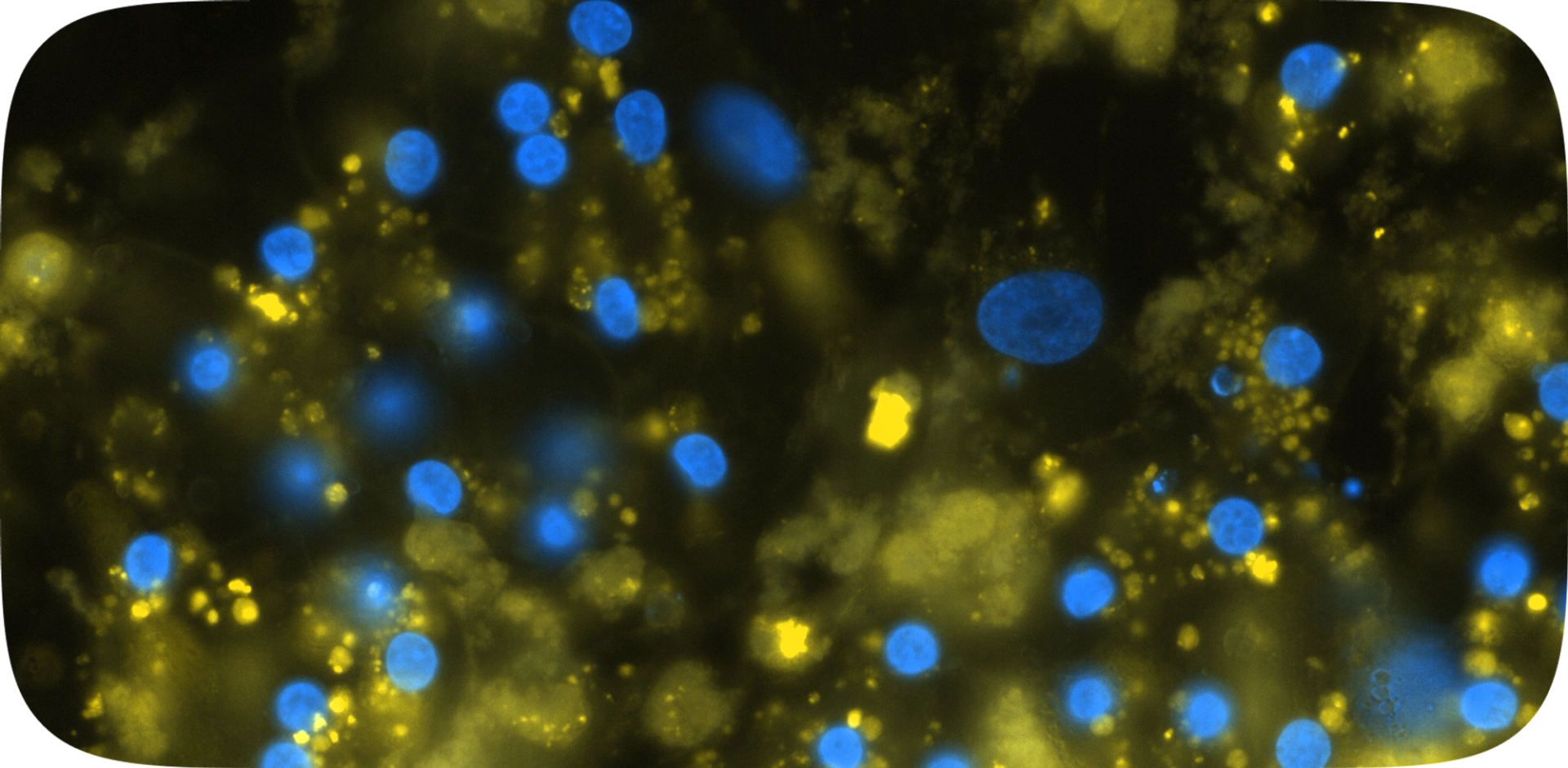
Lysosomal Disruption
Lipofuscin Buildup


Hoechst (Nuclei) Lysosomal (Autofluorescence)
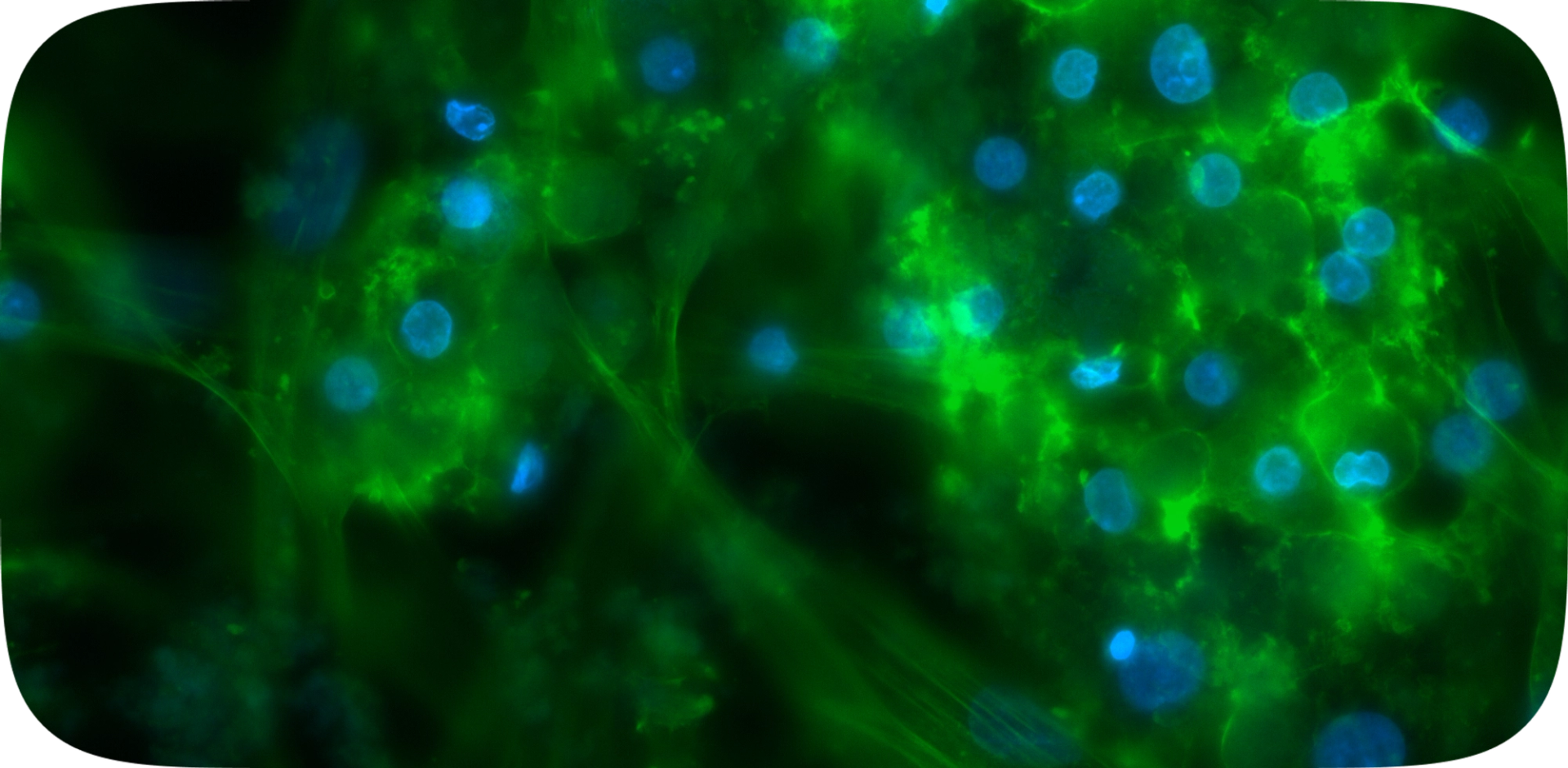
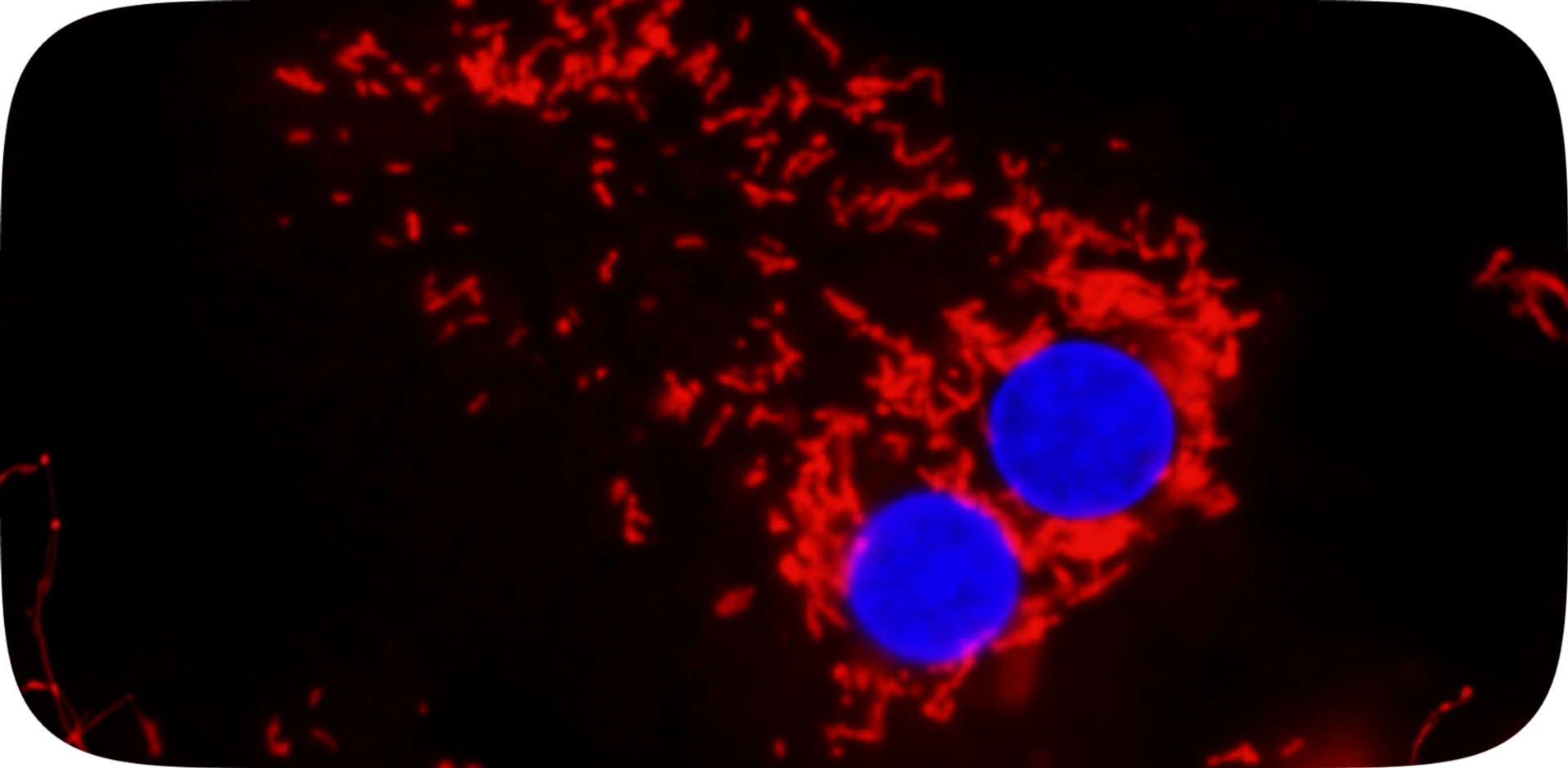
Mitochondria
Fission and Fusion


Hoechst (Nuclei) Mitotracker
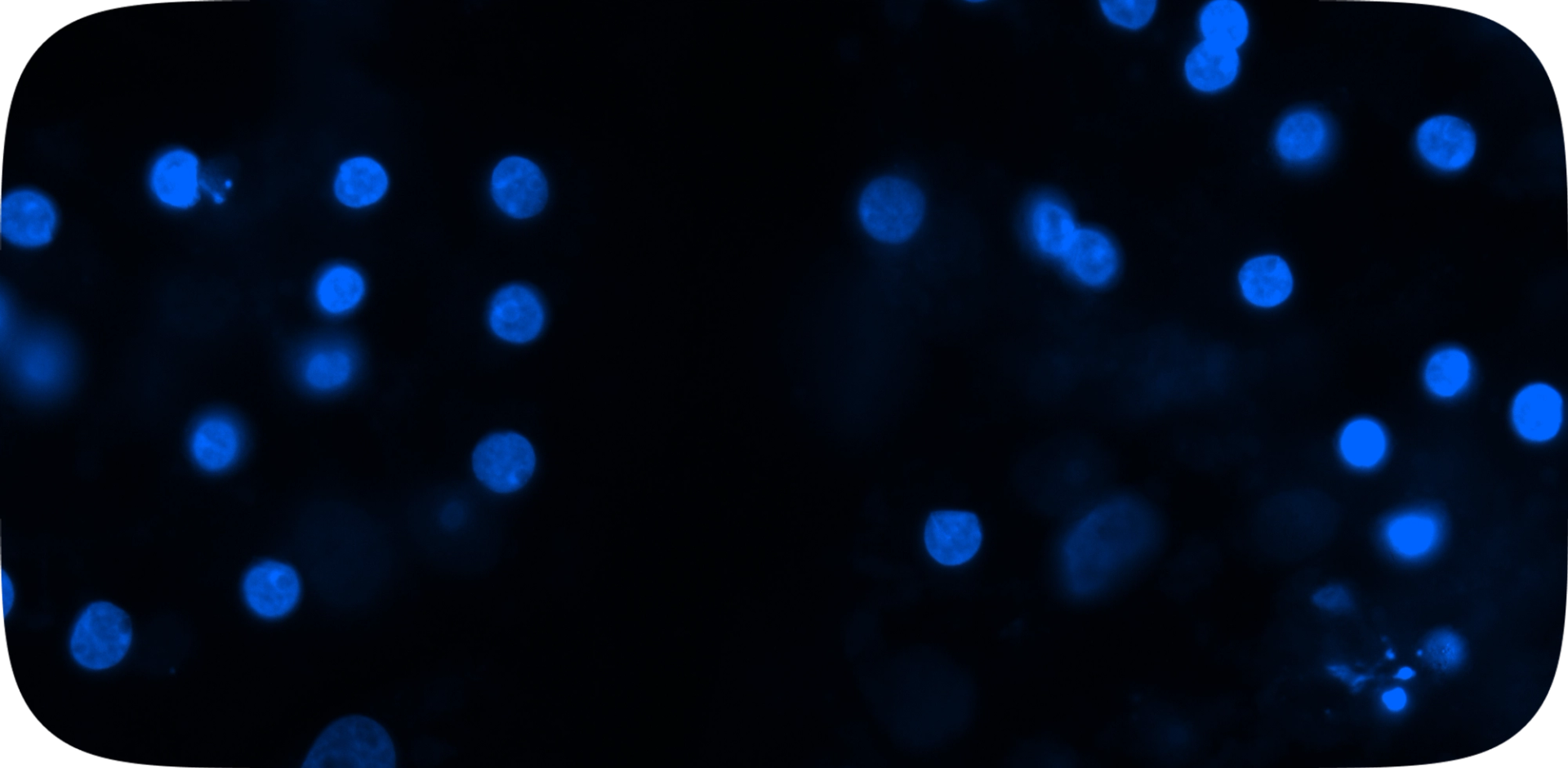
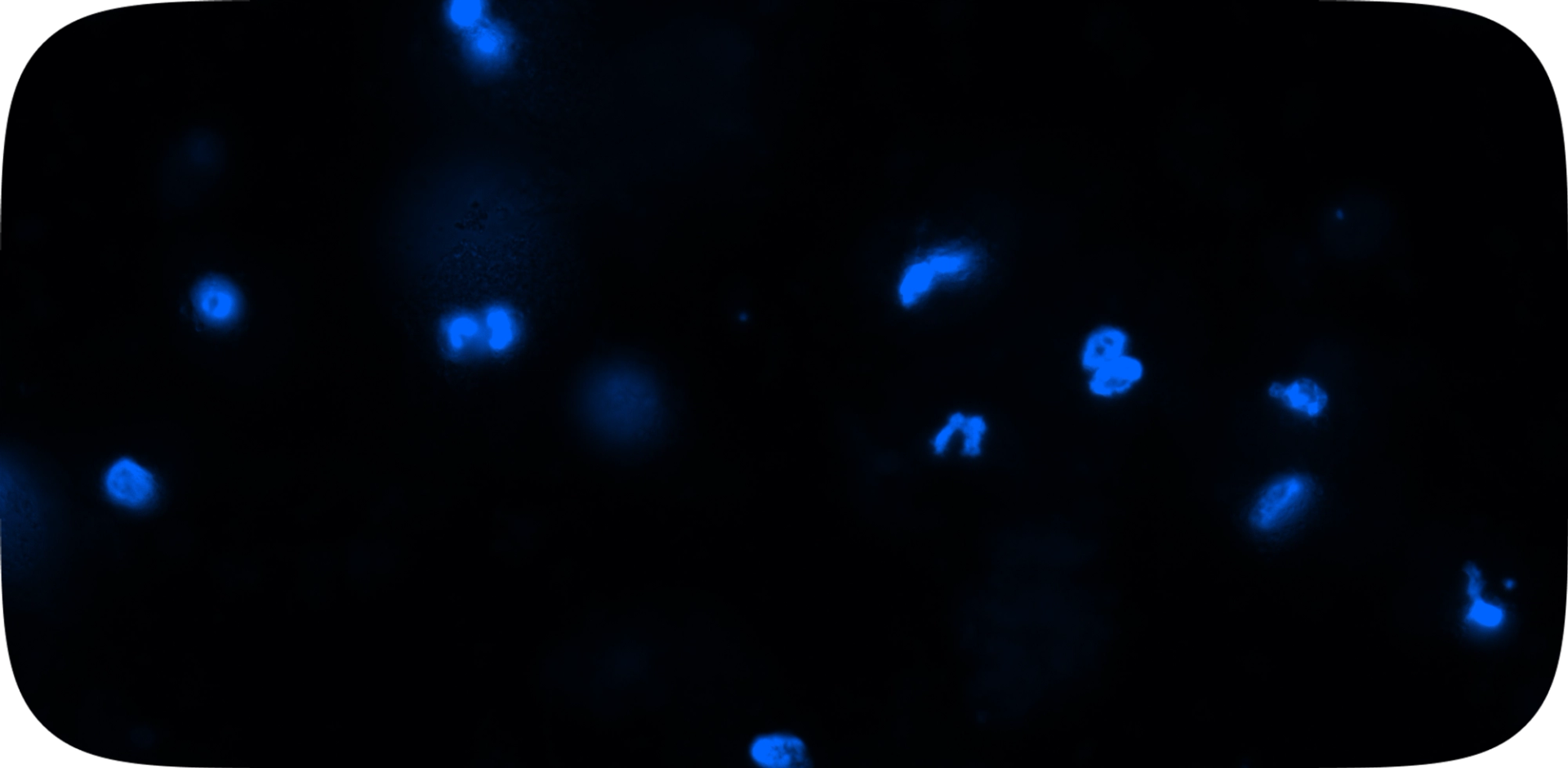
Cytotoxicity
Nuclei Loss and Morphology


Hoechst (Nuclei)
Methods
Scientists meticulously annotate and curate our experimental data to make it ready for AI training.


Methods
Our reasoning agent uses thousands of clinical reference molecules to translate novel compound data into actionable predictions of human risk.
Methods
Axiom’s agents reason over experimental data to predict and explain human drug outcomes
Axiom's Digest
Learn more about our work

08/2026 Technical Summary
06/2026 Model Card

03/2026 Technical Report
A Better Proxy Than the Rat and Dog

Using AI to Combine Exposure, Metabolism, and Liver Function to Model DILI in Modern Molecules

Cell Painting for cytotoxicity and mode-of-action analysis in primary human hepatocytes

Counting cells can accurately predict small-molecule bioactivity benchmarks